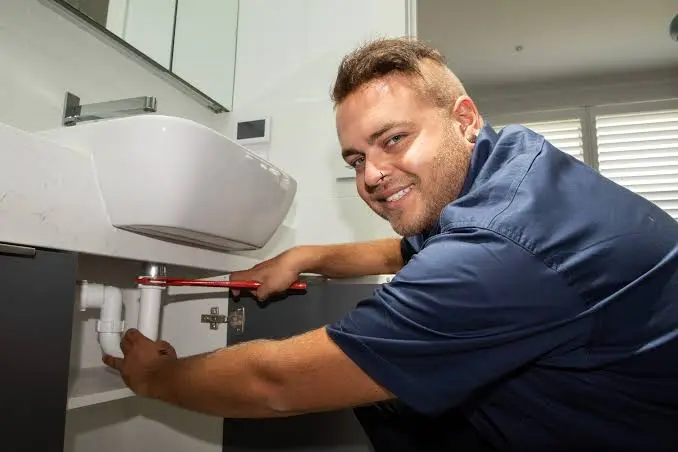
A reliable plumbing system plays a major role in the comfort, hygiene, and daily convenience of every Australian home. From toilets and taps to drains, water heaters, and sewer connections, every part of the system needs to work efficiently.
However, plumbing problems often begin with small warning signs.
A constantly running toilet, weak flush, recurring blockage, or slow leak may appear minor at first. Over time, though, these problems can waste water, increase household expenses, damage surrounding materials, and create unnecessary disruption.
That is why timely maintenance matters.
Professional services such as toilet repairs in Sydney can help homeowners diagnose faults correctly and restore reliable performance before small problems become larger ones.
By understanding common plumbing issues and acting early, homeowners can protect their property while improving water efficiency and long-term system reliability.
Understand the Most Common Toilet Problems
Toilets are among the most frequently used plumbing fixtures in any home, so even small problems can quickly become frustrating.
Common issues include:
- Continuous running water
- Weak flushing
- Recurring blockages
- Leaks around the base
- Faulty cistern components
- Cracked porcelain
- Slow refilling
- Unusual noises
Each symptom may have a different cause.
For example, a weak flush may result from low water levels or blocked rim jets, while a constantly running toilet may point to a worn flapper or faulty fill valve.
Therefore, accurate diagnosis comes before repair.
Replacing random parts without understanding the cause can waste money and leave the original problem unresolved.
Find the Source of Toilet Leaks Early
A leaking toilet can waste significant amounts of water without creating an obvious puddle.
Sometimes the water flows continuously from the cistern into the bowl.
In other cases, leakage may develop around seals, inlet valves, connectors, or the toilet base.
Homeowners should watch for signs such as:
- Water around the toilet
- A cistern that refills frequently
- Unexplained water sounds
- Higher water usage
- Loose connections
- Staining or moisture around the floor
Early attention can prevent damage to flooring, cabinetry, and nearby building materials.
If the leak comes from a worn internal component, replacing the faulty part may restore normal operation quickly.
However, persistent leakage around the base or concealed plumbing requires professional inspection.
Fix Constantly Running Toilets
A toilet that never stops running may seem like a minor annoyance, but it can continuously waste water.
The problem often begins inside the cistern.
A flapper or sealing mechanism may fail to close properly, allowing water to keep flowing into the bowl.
Alternatively, the fill valve may not shut off at the correct level.
The float may also require adjustment.
In some cases, mineral buildup or wear can interfere with normal movement.
Homeowners can sometimes identify obvious problems by carefully inspecting the cistern.
However, if adjusting the components does not solve the issue, professional repair provides a more reliable solution.
Fixing the problem promptly improves efficiency and stops unnecessary water use.
Deal With Blocked Toilets Properly
Toilet blockages can range from simple obstructions to deeper drainage problems.
Minor clogs may result from excessive toilet paper or material that should never have been flushed.
However, recurring blockages may indicate a larger problem inside the drain or sewer system.
Professional plumbers can use specialized equipment to identify and remove tougher obstructions.
Depending on the situation, this may include mechanical augers, drain-cleaning equipment, or other professional methods.
Tree roots may also affect older underground drainage lines.
Once roots enter damaged joints or pipes, they can trap debris and create repeated blockages.
Therefore, homeowners should avoid treating every recurring clog as an isolated toilet problem.
If several fixtures begin draining slowly or backing up, the issue may exist deeper in the plumbing network.
Improve Weak Flushing Performance
A toilet should clear the bowl efficiently without requiring multiple flushes.
When flushing becomes weak, several conditions may be responsible.
Mineral buildup can restrict rim jets.
The cistern may not fill to the correct level.
Internal components may also wear out and reduce the amount of water released during each flush.
A plumber can inspect these parts and determine whether cleaning, adjustment, or replacement provides the best solution.
Restoring proper flushing does more than improve convenience.
It can also help reduce repeated flushing, which wastes additional water.
For homeowners with older toilets, upgrading to a more efficient modern fixture may provide better long-term performance.
Choose Quality Replacement Parts
The quality of plumbing components affects how long a repair lasts.
Low-cost replacement parts may initially seem attractive, but poor-quality valves, seals, connectors, or internal fittings can wear out quickly.
That leads to repeated repair costs.
Homeowners should choose parts designed for the specific fixture whenever possible.
Compatibility matters because not every component works correctly with every toilet model.
Quality parts can also provide stronger seals, better resistance to wear, and more consistent operation.
Professional plumbers usually understand which components provide reliable performance for the particular system they are repairing.
Therefore, investing in proper materials can reduce future maintenance problems.
Schedule Regular Plumbing Maintenance
Preventive maintenance helps identify small problems before they interrupt daily life.
Homeowners should periodically inspect toilets, taps, visible pipes, drains, and other plumbing fixtures.
Look for:
- Corrosion
- Moisture
- Loose connections
- Slow drains
- Unusual noises
- Weak water flow
- Continually running water
Toilets deserve particular attention because internal problems may waste water quietly.
A quick inspection of the cistern can sometimes reveal deteriorating components before they fail completely.
Professional maintenance can also help when the system includes older plumbing or recurring problems.
Routine attention usually costs less than emergency repairs after a major failure.
Improve Household Water Efficiency
Water efficiency has become an important consideration for many households.
Plumbing fixtures that use water unnecessarily can increase household consumption without improving performance.
Modern toilets often use improved flushing designs that reduce the amount of water required per flush.
Dual-flush systems provide another useful option because they allow users to select different flush volumes depending on the situation.
However, efficiency depends on proper operation.
A modern toilet with a leaking valve can still waste large quantities of water.
Therefore, maintenance and efficient fixture design must work together.
Homeowners should also repair dripping taps and other plumbing leaks as soon as practical.
Small savings across several fixtures can create meaningful reductions in overall water use.
Watch for Early Signs of Drain Problems
Plumbing problems do not always begin at the toilet itself.
If drains throughout the house start behaving differently, homeowners should pay attention.
Slow drainage, gurgling sounds, unpleasant odors, or water appearing in another fixture can indicate a developing blockage.
For example, flushing the toilet may cause water to rise slightly in a nearby shower.
That pattern suggests the problem may exist farther down the drainage system.
Repeatedly treating these symptoms with temporary solutions may not solve the underlying cause.
A professional plumber can inspect the drainage network and determine whether cleaning or further investigation is required.
Take Emergency Plumbing Problems Seriously
Some plumbing problems can wait for a scheduled appointment.
Others require faster action.
A toilet overflowing uncontrollably, wastewater backing up into the home, or a major supply leak can cause rapid damage.
Homeowners should know where the toilet isolation valve and main household water shutoff are located.
Turning off the water can limit damage while professional help is arranged.
Keeping the contact details of a reliable plumber easily accessible can also save time during an emergency.
Preparation does not eliminate plumbing failures, but it makes them easier to manage.
Use Modern Diagnostic Technology
Plumbing technology continues to improve.
Modern diagnostic tools can help plumbers identify problems more accurately and with less unnecessary disruption.
For example, camera inspection systems can provide visual information about drainage lines.
Leak detection tools can help locate hidden water loss.
These technologies reduce guesswork.
Instead of opening large sections of flooring or walls immediately, professionals can gather more information first.
That improves the chances of targeting repairs accurately.
Technology becomes particularly useful when homeowners face repeated blockages or leaks without an obvious source.
Consider the Long-Term Cost of Repairs
Plumbing repair costs depend on the type and severity of the problem.
Replacing a small internal toilet component will usually differ significantly from repairing damaged drainage pipes.
Accessibility also affects labour requirements.
However, homeowners should avoid choosing solutions based entirely on the lowest immediate price.
A temporary repair that repeatedly fails may cost more over time than a proper repair completed once.
Before approving larger work, homeowners can ask for a clear explanation of the problem, recommended repair, parts required, and expected costs.
This transparency makes it easier to compare options.
Know When DIY Repairs Are Appropriate
Some minor plumbing tasks can be manageable for homeowners.
For instance, using a plunger on a simple blockage or making a small adjustment inside the toilet cistern may be straightforward.
However, not every plumbing issue should become a DIY project.
Repeated clogs, significant leaks, cracked fixtures, sewer problems, and complicated valve repairs may require specialized knowledge and equipment.
An incorrect repair can cause additional water damage or create another fault.
Therefore, homeowners should consider both the complexity of the problem and the consequences of getting the repair wrong.
Knowing when to stop and call a professional is an important part of responsible maintenance.
Replace Older Fixtures When Repairs Become Frequent
Repairing a toilet usually makes sense when the fixture remains in good condition and the fault involves a replaceable component.
However, replacement may become more practical when problems return frequently.
Older toilets may have worn internal parts, inefficient flushing systems, or components that become harder to source.
Repeated service calls can eventually exceed the value of keeping the old fixture.
A newer toilet may also provide improved water efficiency and more dependable performance.
A plumber can help homeowners compare repair costs with replacement options before making a decision.
Choose Professional Plumbing Support Carefully
Professional experience matters when homeowners need more than basic maintenance.
A reliable plumber should identify the cause of the problem, explain available solutions, and carry out repairs with suitable parts and methods.
Clear communication also matters.
Homeowners should understand what work needs to be completed and why.
Businesses such as Pinpoint Plumbing Services provide specialized plumbing assistance, including toilet repair services for Sydney homeowners who require professional diagnosis.
Having a dependable service provider can make ongoing maintenance and unexpected repairs easier to manage.
Conclusion
Reliable plumbing plays an important role in keeping Australian homes comfortable, hygienic, and efficient.
Toilet problems such as continuous running water, weak flushing, leaks, and recurring blockages should not be ignored. Although some faults appear minor, they can waste water and lead to more expensive repairs when left unresolved.
Regular inspections, quality replacement components, timely maintenance, and efficient fixtures can significantly improve long-term plumbing performance.
Homeowners should also watch for broader signs such as recurring drain problems, unusual noises, and unexplained increases in water use.
Most importantly, effective plumbing maintenance focuses on solving the cause instead of repeatedly treating the symptom.
By combining preventive care with professional support when needed, homeowners can reduce unnecessary water waste, protect their property, and maintain a plumbing system that works reliably for years.
Also Read
- SN Meaning in Texting: What Does “SN” Mean in a Text?
- SPWM Meaning in Text: Definition, Examples, Uses?
- 25 Other Ways to Say ‘Happy Married Life’(With Examples)












1 thought on “Top Plumbing Solutions for Australian Homes: Expert Tips for Better Performance and Efficiency”