A guest selects a booth on a booking form and receives a confirmation for two people. Has the restaurant confirmed the booth, recorded a preference, or simply accepted the party? The words on the screen should answer that before the guest arrives. A capacity figure tells them how many places exist; it cannot explain what the booking promises.
The booking record needs a party count, a seating request, and the status of that request. A host may understand the distinction from experience, but the guest cannot see those internal assumptions. Carry the same information into the confirmation in ordinary language. That gives both sides a shared description of the visit before anyone reaches the restaurant.
One number describes furniture, the other describes people
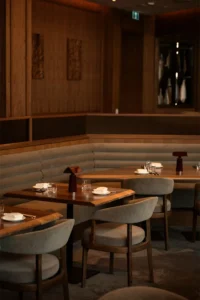
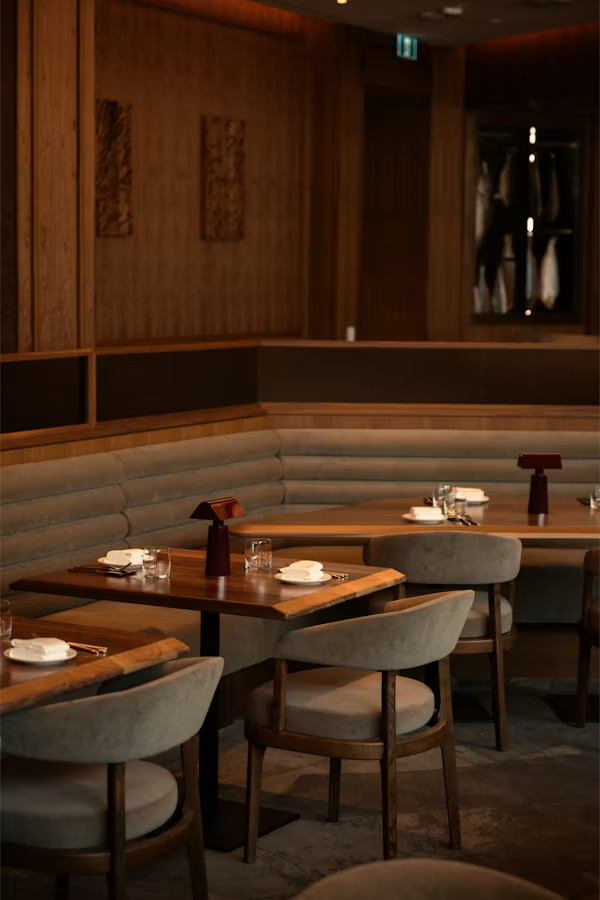
When describing booth seating for compact restaurants, use the restaurant’s verified arrangement rather than a generic seat count. The booth’s dimensions, table, and surrounding layout affect the places that it can offer. Party size records how many people are attending. Keep that number separate from the guest’s preference for a booth and from any information needed to make the seating suitable.
A request from two people for a four-person booth illustrates the distinction. The party count is two, while four describes the booth’s stated capacity. Neither number says whether the restaurant has reserved that booth. The booking record needs a separate status for the seating request, so a host does not have to infer a promise from the numbers alone.
What capacity actually measures
The Cambridge Dictionary defines capacity in terms of the amount that can be contained or produced. In a booking description, the restaurant needs a more specific operational meaning: the number of places available in an approved seating arrangement. That count is not a promise that every party of the same size will find the same booth suitable.
Establish the booth’s capacity from its approved arrangement, then make the party-size question explicit. Ask for everyone attending, including children. If the group needs child seating or an access arrangement the booth cannot support, discuss a suitable alternative before confirming the visit. Counting a child as spare bench space leaves the host to solve a seating problem the form should have revealed earlier.
Turning capacity into a floor plan
Tie the host’s reference to the individual booth and its actual table. A product photograph cannot establish its usable places in this room. If a wider table, a different base, or another nearby fixture changes the arrangement, review it before retaining the old description. The booking system should reflect the seating that staff can provide now, rather than an earlier furniture plan.
An extra chair at the open end should appear only in an arrangement that the venue has assessed and approved. It must not obstruct the required routes or create an unsuitable dining position. If that option is unavailable, do not suggest that the host can always make it work on arrival. Describe only the arrangements the restaurant can actually provide.
Use separate words for counts and preferences
Choose labels according to what the number describes. These everyday terms can help separate the furniture’s capacity from the people attending:
- Capacity, seats, and holds describe the furniture or the room
- Party size, guests, and covers describe the people
- Max and up to signal a limit, which makes them capacity words
- Table for, used at the host stand, usually reports party size
Notice that “seats” can be both a noun and a verb. “The booth seats four” states capacity. “We have four seats left” can mean four open places, regardless of how many tables they’re spread across. That double duty is a common source of confusion when a host reads a note written by someone on the previous shift.
Labels that tell guests which number to type
A field labeled “Seats” asks the guest to interpret the form before answering it. Use “Number of people attending” for the party count and a separate “Seating preference” field for a booth request. Then a couple can ask for a booth without entering four because that is the capacity shown in its description. The labels do the separating before staff receive the booking.
W3C’s guidance on form labels recommends clear labels that are programmatically associated with their controls. Keep the label visible and meaningful after an answer has been selected. A field headed “Seating preference” can show “Booth” without implying a reservation. Put any availability condition beside the choice and carry it into the confirmation, where the guest will look again before the visit.
Use reservation records to understand your groups
Look at booth requests with their service period, party size, status, and final assignment together. Unfulfilled requests may cluster around one sitting or one booth arrangement. That gives the team a specific question to investigate. The response might be clearer availability wording or a change to the assignment process, rather than a general conclusion that the restaurant needs more booths.
Review confirmations that led to disappointment. Did the message say “booth requested, subject to availability” or “booth reserved for your party”? Those phrases describe different commitments. If staff regularly explain away the stronger wording on arrival, revise the message or change the process that produces it. The problem may be the promise rather than the number of booths.
Matching the two numbers at the host stand
Give the host team the same definitions used on the booking page. The working reference should identify the booth, its approved arrangements, and any relevant limitations. A short handoff routine keeps late changes from becoming promises made without checking the room:
- Confirm the full number attending before assigning the arrangement.
- Explain which seating requests are confirmed and which remain subject to availability.
- Record party size and booth capacity separately in the reservation system
- Discuss seating and access needs with the guest and check a suitable arrangement before confirming it.
When two guests become four, review the assignment and confirm any change in its status. The earlier booth promise may no longer describe a suitable arrangement. Keep the furniture identifier separate from the party count in staff notes as well. A note referring to table four should not be the only clue to whether four people are expected.
Two numbers, one honest promise
Take a completed confirmation and read it without the internal reservation notes. It should state the number attending and distinguish a reserved booth from a preference awaiting availability. Ask a colleague who did not make the booking to explain what the guest has been promised. Any missing condition belongs in the message before another guest relies on it.
Repeat that review when the furniture layout or reservation rules change. A capacity update and a change in what the restaurant guarantees affect different parts of the confirmation. Keep both accurate, while preserving the guest’s agreed party count. The host can then welcome the group into an understood arrangement instead of interpreting the booking form for the first time at the door.
Read more: https://grammervision.com/why-accurate-estimating-matters-for-phoenix-construction-projects/
The Architecture and Terminology of Short-Session Digital Entertainment