Southern American cuisine contains many foods shaped by history, resourcefulness, family traditions, and regional cooking techniques.Chitlins are traditionally prepared from pig intestines and are particularly associated with Southern cooking and African American food traditions. They are also commonly known as chitterlings.
For people discovering this food for the first time, its history can be as interesting as its distinctive taste. Preparation requires considerable care, especially because raw pork intestines can carry harmful microorganisms. This guide covers what chitterlings are, their cultural background, flavor, traditional preparation, serving ideas, and essential food-safety practices.
What Is This Traditional Southern Food?
Chitterlings generally refer to the large intestines of swine when prepared as food. Similar intestine-based dishes exist in many cuisines around the world, although preparation methods, seasonings, and cultural traditions differ.
In Southern American cooking, the intestines are carefully prepared and thoroughly cooked. Depending on the recipe, they may be simmered until tender or cooked and later fried for a different texture.
Vinegar, hot sauce, onions, garlic, and various seasonings may accompany the finished dish.
History and Cultural Significance
Using animal intestines as food is an old culinary practice found across numerous cultures.
In the American South, chitterlings developed a particularly significant place in African American culinary history. The tradition is connected partly to periods when enslaved African Americans had limited access to preferred cuts of meat and used cooking knowledge and creativity to transform less-valued animal parts into meals.
Over generations, the food became associated with family recipes, gatherings, and celebrations.
USDA notes that chitterlings became a traditional winter food in the Deep South during colonial times and remain particularly popular around Thanksgiving, Christmas, and New Year’s celebrations.
Today, attitudes toward the dish vary. For some people it represents heritage and family memories; for others it is simply a distinctive regional food.
What Does It Taste Like?
The final flavor depends strongly on cleaning, cooking technique, and seasoning.
Cooked pork intestines have a distinctive savory flavor and a tender-to-chewy texture. Simmered versions are generally soft, while versions that are fried after cooking can develop a crisp exterior.
Common flavor additions include vinegar, hot sauce, garlic, onion, pepper, and regional seasoning blends.
The dish is also known for producing a noticeable aroma during preparation. Good ventilation and aromatic ingredients may make the cooking process more comfortable, although they do not replace proper food-safety practices.
How Is It Traditionally Prepared?
Recipes differ between families, but preparation usually includes several basic stages.
Initial Preparation
Raw intestines require particularly careful handling. The cooking area, utensils, and other ingredients should be organized before work begins to reduce unnecessary movement around the kitchen.
USDA and CDC advise boiling raw chitterlings in water for at least five minutes before cleaning them. This step helps reduce the number of harmful germs that could spread to hands and kitchen surfaces during cleaning.
Cleaning
After the initial boil, the product is cleaned according to safe handling practices and the chosen recipe.
Raw-product juices should be prevented from contacting ready-to-eat foods, utensils, countertops, refrigerator handles, or other frequently touched surfaces.
Seasoning and Cooking
Seasonings vary widely. Onion, garlic, vinegar, pepper, and hot sauce are common possibilities.
After preparation, USDA advises boiling and simmering chitterlings until they are well cooked and tender and reach an internal temperature of 160°F (about 71°C), measured with a food thermometer.
Some recipes then fry portions to create a crisp exterior.
Why Food Safety Is Especially Important
Raw pork intestines can carry Yersinia enterocolitica, which can cause yersiniosis. USDA also notes that pathogens such as Salmonella and E. coli may be present.
Cross-contamination is therefore an important concern.
Someone handling the raw product can transfer germs to cutting boards, faucets, counters, utensils, refrigerator handles, or other foods.
CDC emphasizes particular caution around infants and young children. People preparing raw pork intestines should wash their hands thoroughly before touching children, bottles, pacifiers, toys, or other objects used by them.
Safe Storage and Kitchen Practices
CDC recommends thawing frozen raw chitterlings in the refrigerator rather than at room temperature. The container should be covered to prevent leaking juices from contaminating other foods or refrigerator surfaces.
Important precautions include:
- washing hands with soap and water for at least 20 seconds;
- keeping raw meat separate from ready-to-eat foods;
- cleaning cutting boards, knives, counters, sinks, and utensils after contact;
- keeping young children away from the preparation area;
- using a food thermometer when checking doneness;
- refrigerating leftovers promptly.
USDA recommends keeping refrigerators at 40°F (4°C) or below. Perishable cooked food and leftovers should generally be refrigerated within two hours, or within one hour when temperatures are above 90°F (32°C).
Traditional Side Dishes
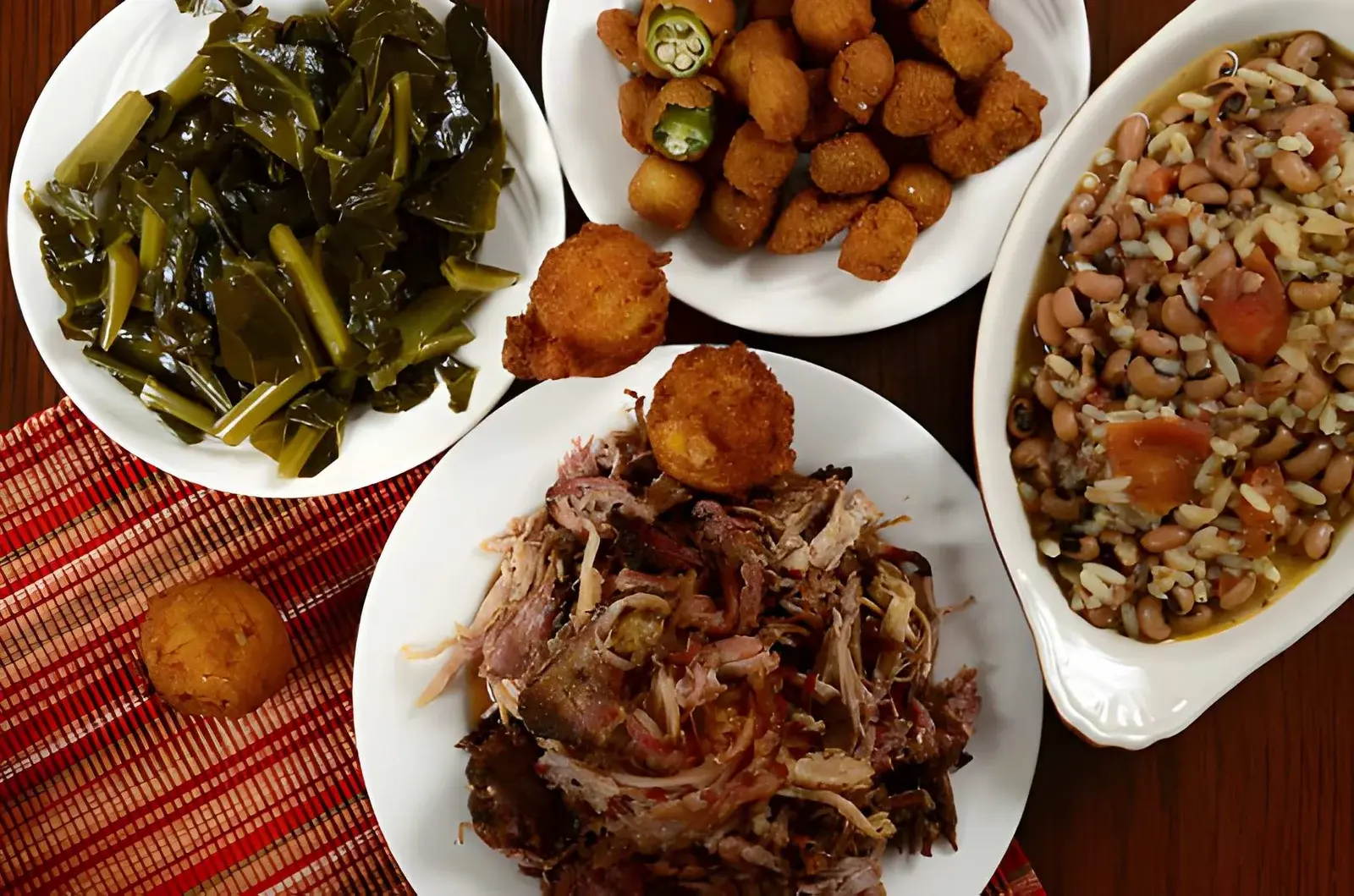
Chitlins may be served alongside familiar Southern dishes such as collard greens, cabbage, cornbread, black-eyed peas, rice, or macaroni and cheese.
Vinegar and hot sauce are also traditional accompaniments.
The combination varies by household, which is part of what makes regional food traditions interesting. Recipes and serving customs are often passed between generations rather than following one universal formula.
Nutrition Considerations
Pork intestines provide protein and other nutrients, but nutritional values depend on portion size and preparation.
Frying increases the amount of added fat, while heavily seasoned recipes may contain substantial sodium. Side dishes also affect the nutritional profile of the complete meal.
People following specific dietary restrictions should consider the entire meal rather than evaluating one ingredient in isolation.
Similar Foods Around the World
Cooking intestines is not unique to Southern cuisine.
Different cultures prepare animal intestines by boiling, grilling, stewing, frying, or incorporating them into sausages and other dishes. Seasonings and cooking methods vary substantially by region.
These traditions are examples of whole-animal cooking, where edible parts beyond familiar steaks, chops, and roasts are used rather than discarded.
Final Thoughts
Chitlins represent much more than an unusual ingredient. Their history connects Southern food culture, African American culinary traditions, family gatherings, resourcefulness, and recipes passed through generations.
Anyone preparing them should give food safety the same attention as flavor and tradition. Careful storage, initial boiling, handwashing, prevention of cross-contamination, thorough cooking, and prompt refrigeration can reduce foodborne-illness risks. With its distinctive history and preparation process, this traditional dish remains an important part of America’s diverse culinary story.
Also Read
- Exploring the Comfort and Precision of an Ergonomic Gaming Mouse
- Acting Opposite Nobody: Hosting a Show With Invisible Co-Stars
- Understanding Hearing Aids Cost and What You Are Paying For