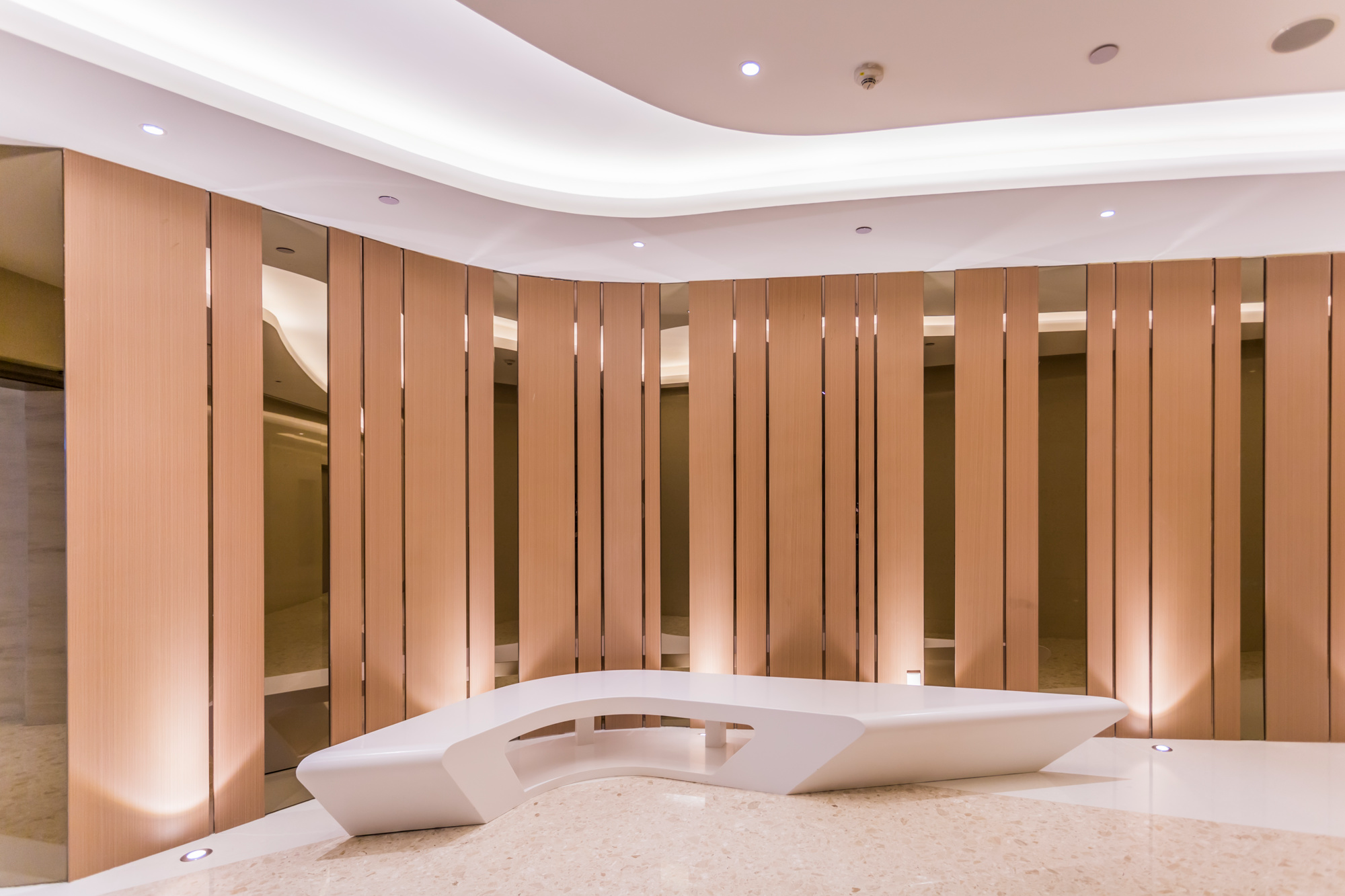
Modern buildings need spaces that can adapt to different activities. Hotels, offices, conference centers, restaurants, and commercial properties often require rooms that can be divided or opened depending on their needs. A sliding partition wall offers a practical way to manage these changing space requirements without building permanent walls.
Unlike fixed partitions, sliding partition walls allow users to adjust room layouts whenever necessary. They can separate a large area into smaller sections or create one open space for larger gatherings. This flexibility makes them a useful choice for businesses that want to make better use of their available floor space.
What Is a Sliding Partition Wall?
A sliding partition wall is a movable wall system designed to divide an interior area into separate sections. It generally consists of movable panels that travel along a track system, allowing users to open or close the space as required.
These systems are commonly used in commercial interiors where room layouts need to change throughout the day. For example, a hotel may use one large banquet hall for an event and divide it into smaller meeting spaces for separate functions.
Sliding partition walls provide this flexibility while maintaining a clean and organised interior appearance.
Key Benefits of Installing a Sliding Partition Wall
Choosing the right partition system can improve how a building is used. Here are some of the main benefits of installing a sliding partition wall.
1. Flexible Space Management
One of the biggest advantages is the ability to change room layouts without permanent construction. A large room can be divided into smaller areas for meetings, private events, training sessions, or other activities.
When more space is needed, the panels can be moved aside to create a larger open area.
2. Better Use of Available Space
Businesses often need to accommodate different group sizes in the same room. Permanent walls may limit how the space can be used.
A sliding partition wall helps make better use of the available floor area by allowing one room to serve multiple purposes. This can be particularly useful in hotels, offices, educational facilities, and event venues.
3. Smooth and Convenient Operation
The track and wheel system plays an important role in the overall performance of a sliding partition wall. Well-designed components help the panels move smoothly when the room layout needs to change.
Doorfold uses anodized aluminium 6063-T5 for its tracks and hardened, tempered steel wheels. These components are selected to support smooth movement, strength, and corrosion resistance.
4. Different Finish Options
A partition wall should work well and complement the surrounding interior design. Different surface finishes allow businesses to select an appearance that suits their building.
Depending on the design requirements, available finishes can include:
- Melamine
- High-pressure laminate (HPL)
- Fabric
- Leather
- Wood veneer
These options make it easier to coordinate partition panels with existing furniture, wall finishes, and interior themes.
5. Support for Different Room Layouts
Sliding partition walls can be planned for different room configurations. Depending on the system design, panel movement may include L-shaped or T-shaped arrangements.
This allows building owners and designers to consider different space layouts when planning their interiors.
Where Are Sliding Partition Walls Commonly Used?
Sliding partition walls are suitable for many commercial environments. Their main purpose is to make interior spaces more adaptable.
Hotels and Banquet Halls
Hotels regularly host weddings, conferences, private celebrations, and business meetings. These activities may require different room sizes.
A sliding partition wall allows hotel management to divide a large hall into smaller event spaces or open it up for larger gatherings. This helps venues accommodate different event requirements.
Offices and Meeting Rooms
Modern offices need spaces for team discussions, private meetings, presentations, and collaborative work.
Sliding partition walls can help separate meeting areas from shared workspaces. They also allow businesses to open up rooms when larger teams need to work together.
Conference and Exhibition Centres
Conference centres often manage events with different attendance numbers and layouts. Movable partition systems help organisers create separate meeting rooms, presentation areas, and event sections within a larger venue.
Restaurants and Commercial Spaces
Restaurants may need separate dining areas for private parties, business dinners, or group bookings. A sliding partition wall can provide a practical way to create more private sections while keeping the overall interior flexible.
Commercial buildings can also use these systems to divide multipurpose rooms according to daily requirements.
Important Factors to Consider Before Choosing a Sliding Partition Wall
Selecting a partition system involves more than choosing its appearance. Several technical and practical factors should be reviewed before making a decision.
Track and Wheel Quality
The track system supports the movement of the partition panels. Its material, load capacity, and construction should match the size and weight of the panels.
Wheels should also be strong enough to support regular operation. Quality components can contribute to smoother movement and reliable performance.
Panel Finish and Design
The finish should suit the interior environment and intended use. For example, a hotel banquet hall may require a finish that complements its decorative style, while an office may need a simpler and more professional appearance.
Space and Layout Requirements
Before selecting a system, consider the room’s dimensions, ceiling structure, available stacking space, and required panel movement.
The planned layout should allow the partition to open and close without interfering with furniture, doors, or other interior features.
Acoustic Requirements
Some environments require more privacy than others. Meeting rooms, conference spaces, and hotel function rooms may need additional sound insulation.
If sound control is important, review the acoustic performance of the proposed partition system and choose a solution suited to the room’s requirements.
Maintenance and Long-Term Use
A partition wall may be moved frequently, particularly in hotels and commercial venues. Check the quality of its tracks, wheels, connections, and other moving components.
Regular inspection and appropriate maintenance can help keep the system operating smoothly.
Why Choose Doorfold for Sliding Partition Wall Solutions?
Doorfold has been involved in the movable partition wall industry since 2004, offering partition systems for different commercial and interior applications.
Its sliding partition wall systems use anodized aluminium 6063-T5 tracks, while the wheels are made from hardened and tempered steel. The company also provides different panel finish options, including melamine, HPL, fabric, leather, and wood veneer.
These material and finish choices allow customers to consider both functional requirements and interior design preferences when selecting a partition system.
Doorfold’s product range also includes sliding partition solutions for hotels, offices, meeting rooms, soundproof rooms, and other commercial spaces.
Conclusion
A sliding partition wall is a practical solution for buildings that need flexible interior layouts. From hotel banquet halls and conference centers to offices and restaurants, these systems help businesses adapt their spaces to different activities.
When choosing a system, pay attention to track quality, wheel construction, panel finishes, acoustic requirements, and the available room layout. With the right design and components, a sliding partition wall can support efficient space management while complementing the overall interior.
Frequently Asked Questions
1. What is the main purpose of a sliding partition wall?
The main purpose is to divide or combine interior spaces according to changing requirements. It allows users to create separate rooms or open areas without constructing permanent walls.
2. Are sliding partition walls suitable for hotels?
Yes. They are commonly used in hotel banquet halls, conference rooms, and multipurpose spaces where room sizes need to change for different events.
3. What materials are used in sliding partition wall systems?
Materials vary by manufacturer and system design. Doorfold uses anodized aluminium 6063-T5 for its tracks and hardened, tempered steel for its wheels. Panel finishes include melamine, HPL, fabric, leather, and wood veneer.
4. Can a sliding partition wall help with sound control?
Some sliding partition systems are designed with acoustic performance in mind. The level of sound insulation depends on the specific system, panel construction, seals, and installation.
5. How do I choose the right sliding partition wall?
Consider the room dimensions, panel weight, track system, finish, movement requirements, acoustic needs, and frequency of use. Discussing these details with a partition manufacturer can help identify a suitable system.
Read more: Hotel Furniture Manufacturers | Outdoor & Built-In Furniture
https://grammervision.com/your-restaurant-booth-seats-four-what-does-the-booking-actually-promise/
https://grammervision.com/why-accurate-estimating-matters-for-phoenix-construction-projects/










1 thought on “Sliding Partition Wall: A Smart Solution for Flexible and Modern Spaces”