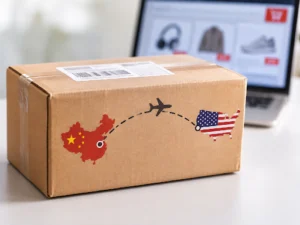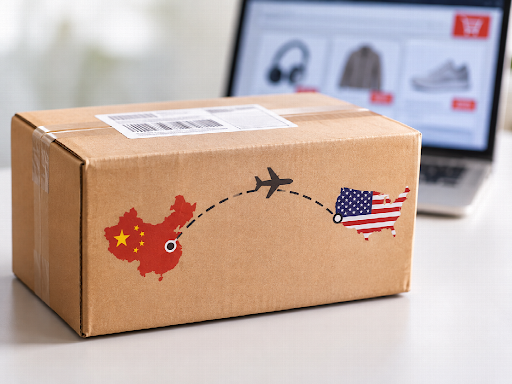
A $7 item from China can cross an ocean, pass through several sorting centers, and arrive at an American doorstep for less than a similar product costs at a local store. The numbers seem unusual, especially when domestic shipping alone can cost several dollars. Yet this is a familiar part of shopping on international marketplaces. Low prices attract buyers, but there’s more behind them than inexpensive manufacturing. The way products are sold, packaged, and transported matters just as much. And it explains why an overseas bargain can be a great purchase, even if it takes a little longer to arrive.
Where Those Low Prices Come From
A large part of China’s advantage is the way its manufacturing industry is organized. In some production regions, factories are surrounded by suppliers making everything they need, from individual components to packaging. A business producing household accessories doesn’t necessarily have to source every material from a distant company. Many parts of the production process can happen within the same industrial area, saving time and reducing costs. Manufacturing volume makes a difference, too. Producing thousands of identical items is generally more efficient than making them in small batches. And when several factories compete to supply similar products, sellers have plenty of options. The internet has changed how those products reach customers. A traditional retail purchase may involve an importer, a distributor, a warehouse, and a shop before an item reaches the shelf. Some sellers on international marketplaces work with shorter supply chains, offering goods directly to overseas buyers. That doesn’t eliminate every business expense, but it can reduce some of the costs built into a conventional retail price. There’s also the sheer variety. Physical stores have limited shelf space, so they tend to stock products that sell consistently. Online sellers can offer far more specialized items, including unusual designs and accessories with relatively small audiences. That’s one reason browsing Chinese marketplaces often turns up products that are difficult to find locally. Of course, a similar photograph doesn’t guarantee an identical product. Materials, finishes, and durability can vary between manufacturers. Customer photos and measurements are often worth more attention than the carefully staged images used in a listing.
The Shipping System That Makes Small Orders Possible
The manufacturing story explains the price of the product, but delivery is where things become especially interesting. Sending one small parcel from China to the United States by express courier could easily cost more than the item inside. International marketplaces work with logistics networks designed to move enormous volumes of orders rather than treating every purchase as a separate shipment. Parcels from different sellers can be collected at sorting facilities and combined into larger loads for transportation. Once they reach another country, local postal or delivery companies may handle the remaining journey. The cost of moving goods is spread across many shipments, making affordable delivery options possible. And the word free on a shipping offer doesn’t mean transportation costs nothing. Those costs still have to be covered somewhere, whether through the product price, a seller’s shipping arrangements, or a marketplace promotion. This system also explains why shipping from China can take longer than domestic delivery. Orders may spend time being prepared, collected, grouped with other parcels, and processed for international transport. Economy services are designed around keeping costs manageable, not necessarily getting every package to its destination as quickly as possible. Delivery times can vary considerably. Some sellers ship directly from China, others use specialized logistics services, and some hold stock in American warehouses. The location where an order actually ships from often matters more than the country where the seller is based.
The Journey Doesn’t End at the Airport
After a parcel leaves China, there’s still quite a bit happening behind the scenes. Depending on the service, it may pass through an international mail facility, customs processing, and another delivery network before reaching its destination. The buyer usually sees only a handful of updates from that journey. One day, the package has been accepted by the postal service. Later, it reaches an export processing center. Then there might be several days without a new scan. For parcels handled by China’s national postal service, you can use China Post tracking on TrackingPackage to check available delivery updates. The service also supports hundreds of other postal and courier companies worldwide and can automatically identify the carrier for supported tracking numbers. This makes it easier to follow orders from different countries without searching for a separate tracking website each time.
Those messages become easier to understand once you know a little about the delivery process. An update from an outward office of exchange generally relates to export processing, while an arrival at an inward office of exchange indicates the parcel has reached a destination-country processing stage. Tracking details depend on the postal service used, and not every movement generates a new scan. For many international postal shipments, a local operator takes over the final delivery. By the time a small purchase reaches someone’s mailbox, it may have travelled through several independent companies that the buyer never needed to contact.
Getting More Value From International Shopping
The biggest advantage of shopping directly from China isn’t always the lowest price. Sometimes it’s the ability to find a particular design, accessory, or replacement part that local retailers simply don’t carry. These purchases tend to make the most sense when delivery isn’t urgent. Ordering something for a project next month gives you more flexibility than buying a gift you need by Friday. A longer shipping estimate is much easier to accept when you’ve planned for it from the beginning. For American shoppers, it’s also useful to check the complete cost rather than just the price displayed on the product page. Changes to U.S. import rules have removed the broad duty-free treatment previously available to many low-value shipments. Depending on the seller and shipping arrangement, applicable import charges may be included at checkout or handled separately. A good listing should make the practical details easy to understand: what the product includes, its dimensions, where it ships from, and when it’s expected to arrive. These small checks are especially useful when you’re choosing between several sellers offering similar products. Shopping from China doesn’t have to replace buying locally. The two experiences serve different needs. A nearby retailer offers convenience when time matters, while an overseas marketplace can open up a much wider selection at prices that are often hard to match. And that’s what makes the trade-off worthwhile for many shoppers. An inexpensive purchase may need a longer journey, but when you’ve found exactly what you wanted and have no reason to rush, waiting for it isn’t much of a drawback. It’s simply part of buying from a market that happens to be on the other side of the world.
https://grammervision.com/why-accurate-estimating-matters-for-phoenix-construction-projects/