What happens when the wrong material corrodes inside your water storage system? The consequences can range from contaminated water to costly infrastructure failures that affect your entire operation. Water tank composition is far more than a technical specification; it directly influences water quality, system longevity, maintenance costs, and safety. Understanding the material differences between steel, concrete, fiberglass, and other options allows you to make informed decisions that protect both your water supply and your investment.
Steel Tanks and Their Corrosion Challenges
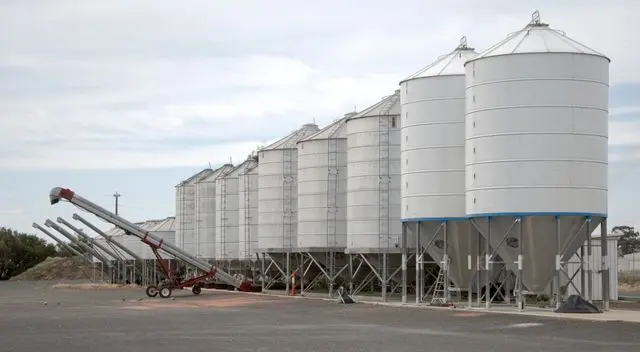
Steel has been a standard choice for water storage for decades because of its strength and affordability. However, steel’s vulnerability to corrosion is a significant drawback that many facility managers underestimate. When steel comes into contact with water and oxygen, rust forms, which gradually weakens the tank structure and can introduce iron and other metals into your water supply. This corrosion process accelerates in harsh climates or when water chemistry is acidic or high in dissolved minerals.
To combat rust, steel tanks typically receive protective coatings such as epoxy resins or zinc galvanizing. These treatments add cost upfront but prove essential for extending tank lifespan. Without proper coating maintenance and periodic inspections, a steel tank can develop leaks within 20 to 30 years. A facility that neglects interior coating maintenance may discover unexpected water discoloration and structural weakness requiring emergency replacement. For rainwater harvesting applications where corrosion resistance and long-term water purity are priorities, a strong stainless steel water tank provides lasting structural integrity without the rust risks associated with standard carbon steel. The composition material of standard steel remains durable only when it is consistently protected and regularly monitored.
Concrete Tanks for Durability and Stability
Concrete has emerged as a popular choice for large-scale water storage because of its impressive structural strength and natural resistance to rust. Unlike steel, concrete does not corrode when exposed to water, making it ideal for long-term installations. Concrete tanks can last 50 years or more with proper maintenance, offering excellent return on investment for municipalities and large industrial operations. The material’s thermal mass also helps regulate water temperature, which can reduce energy costs in certain climates.
However, concrete comes with its own material-related concerns. Concrete is porous by nature, which means water can seep through microscopic cracks if the tank develops structural issues. Additionally, concrete tanks require careful attention to interior sealing to prevent contamination. Chlorine and certain minerals in water can gradually break down concrete from the inside, a process called chemical attack. Facilities using concrete tanks must invest in protective liners or coatings and conduct regular inspections to catch cracks before they become problematic because the composition advantage of concrete’s corrosion resistance only applies when the structure remains intact and properly sealed.
Fiberglass as a Modern Alternative
Fiberglass tanks represent a newer material option that combines several advantages from both steel and concrete. The composite structure of fiberglass, resin combined with glass fibers, creates a non-corrosive surface that resists rust completely. Fiberglass tanks are lightweight compared to concrete, which simplifies installation and reduces foundation requirements. They also resist chemical attack from aggressive water compositions, making them suitable for facilities with challenging water chemistry or high chlorine concentrations.
The primary disadvantage of fiberglass is cost, as these tanks typically carry higher upfront prices than steel or concrete alternatives. Despite this, their durability often justifies the investment, particularly for operations where maintenance is difficult or where water quality is critical. Fiberglass tanks can last 30 to 40 years or longer with minimal maintenance, and they do not require the ongoing coating applications that steel tanks demand. The smooth interior surface of fiberglass also reduces biofilm growth and sediment accumulation compared to rougher materials, offering additional water quality benefits for facilities that prioritize ease of maintenance and compatibility with aggressive water conditions.
Water Quality Implications of Tank Materials
The composition material of your tank directly affects the quality of water stored inside. Steel tanks can leach iron into water, which causes discoloration, staining, and unpleasant taste. Concrete tanks may introduce calcium and other minerals, which affects water hardness and pH balance. Fiberglass tanks have minimal leaching potential but may introduce trace compounds from the resin if not properly manufactured and cured. For potable water systems, all tank materials must meet strict drinking water standards that regulate which substances can migrate into stored water.
The interior surface texture of different tank materials also influences water quality in subtle ways. Rough concrete surfaces trap sediment and support biofilm growth more easily than smooth fiberglass or properly coated steel interiors. This biological film can harbor bacteria and consume chlorine residual in treated water. Facilities must select materials that support their water treatment goals and sanitation protocols. A municipal water system serving thousands of people will prioritize materials that resist biofilm formation and maintain disinfectant residual more effectively than a small agricultural operation with different quality requirements.
Maintenance and Long-Term Economics
The choice of tank composition material directly determines maintenance frequency, costs, and operational complexity. Steel tanks require routine inspections for rust, coating touch-ups, and potential interior or exterior repairs. Concrete tanks need crack monitoring and periodic resealing to prevent seepage and contamination. Fiberglass tanks require less frequent maintenance but demand careful handling to avoid damage to the resin surface. Understanding these maintenance patterns allows you to budget accurately and plan facility operations effectively.
Over a 40-year lifespan, the true cost of tank ownership reflects not just the initial purchase price but accumulated maintenance, repairs, and potential replacement. A low-cost steel tank with inadequate coating may require replacement after 25 years, while a more expensive fiberglass tank operates reliably for 40 years with minimal intervention. Facility managers who evaluate only upfront costs often face unexpected budget crises when aging tanks fail. Selecting a tank composition material with durability and compatibility suited to your specific water conditions protects against these outcomes and supports sound financial planning.
Conclusion
Water tank composition material is a fundamental decision that influences water quality, safety, maintenance burden, and long-term costs. Steel offers affordability but demands ongoing corrosion protection and monitoring. Concrete provides strength and long lifespan but requires careful sealing and attention to chemical attack. Fiberglass delivers corrosion resistance and low maintenance at a premium initial cost. The right choice depends on your water chemistry, climate conditions, operational capacity, and financial constraints. By understanding how different tank materials interact with water and environmental factors, you can select a system that reliably serves your facility for decades while protecting water quality and minimizing unexpected failures.
Also Read
- Exploring the Comfort and Precision of an Ergonomic Gaming Mouse
- Acting Opposite Nobody: Hosting a Show With Invisible Co-Stars
- Understanding Hearing Aids Cost and What You Are Paying For