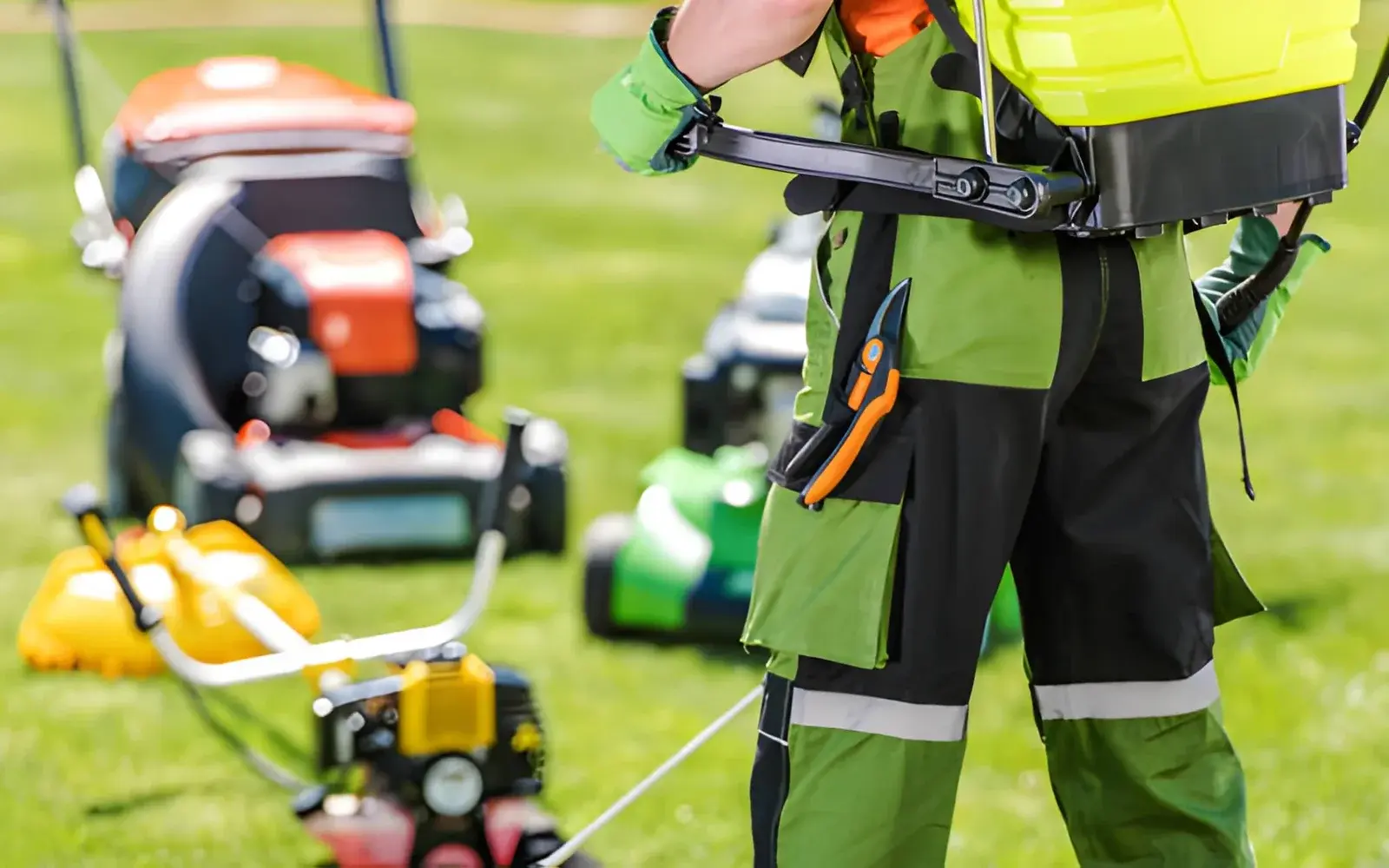
Maintaining a neat and well-groomed lawn requires the right tools and accessories. One essential component for effective lawn care is the Whipper Snipper Line. This article explores how to choose the best trimmer line to optimise the performance of whipper snippers, ensuring efficient and precise trimming results.
Understanding Whipper Snipper Lines
The whipper snipper line, also known as trimmer line, is the cutting element of a whipper snipper or string trimmer. Typically made from nylon or similar synthetic materials, it rotates at high speeds to cut grass, weeds, and light brush. The choice of line impacts cutting efficiency, durability, and the ease of handling.
Types of Whipper Snipper Lines
Whipper snipper lines come in various shapes, sizes, and materials, each suited to different trimming tasks. Understanding the differences helps in selecting a trimmer line tailored for specific lawn care needs.
Round Lines
Round lines are the most common type and suit general trimming tasks. Their smooth profile allows them to spin faster, making them ideal for fine, precise cuts on grass. They also tend to produce less noise and use less power during operation.
Square and Polygonal Lines
Square, triangular, and other polygonal cross-sectional lines have sharper edges, which offer enhanced cutting performance. These lines are effective against tougher weeds and thicker vegetation but may wear out faster and generate more noise.
Diameter Considerations
The diameter of the whipper snipper line determines its cutting strength and durability. Thicker lines are more robust and able to handle dense or woody vegetation, while thinner lines are more suitable for light grass trimming.
Common diameters range from 1.3mm to 3.0mm. It is important to match the line diameter with the whipper snipper manufacturer’s recommendations to avoid motor strain or line breakage.
Material Quality and Durability
The material quality of the trimmer line influences its lifespan and cutting efficiency. Most lines are made from nylon or composites that include additives for increased abrasion resistance and UV protection.
High-quality lines maintain their shape and strength after prolonged use. Some manufacturers also offer trimmer lines with embedded abrasives to enhance cutting performance on tough vegetation.
Compatibility with Whipper Snipper Models
Not all trimmer lines are universal. It is essential to choose a line compatible with the specific whipper snipper model being used. Factors such as spool size, line storage capacity, and feed mechanism impact compatibility.
Consulting the user manual or product specifications of the whipper snipper can guide the selection of appropriate line sizes and types. Using incompatible lines may cause inefficiency or damage to the tool.
Environmental and Safety Considerations
Modern whipper snipper lines often incorporate eco-friendly materials that degrade more rapidly in the environment, reducing plastic waste. Choosing biodegradable or recyclable lines can contribute to environmentally responsible lawn care.
Safety is another significant consideration. Lines that wear out excessively or break easily can lead to flying debris during operation. Selecting durable, high-quality lines decreases this risk and enhances user safety.
Cost and Availability
The price of trimmer lines varies according to material, brand, and length. While low-cost lines may seem economical initially, they often require more frequent replacement. Investing in a higher quality whipper snipper line may reduce overall costs and improve trimming results.
Availability is critical, especially for commercial users or those with extensive lawn maintenance needs. Choosing widely stocked lines ensures consistent supply and uninterrupted lawn care schedules.
Maintenance and Replacement Tips
Regular inspection and replacement of the whipper snipper line are necessary for optimal performance. Lines that become brittle, frayed, or too short should be replaced promptly.
Ensuring correct installation and tensioning of the line on the spool can also prevent operational issues. Many modern whipper snippers have automatic or semi-automatic feeding systems that facilitate easier line management.
Where to Purchase Quality Whipper Snipper Lines
The market offers numerous options for purchasing whipper snipper lines, ranging from general hardware suppliers to specialised garden equipment retailers. For a comprehensive selection of reliable Whipper Snipper Line, customers should consider trusted suppliers known for quality and product variety.
Conclusion
Selecting the best whipper snipper line is a crucial factor in achieving efficient and effective lawn maintenance. By considering the line type, diameter, material quality, compatibility, and environmental impact, users can enhance the longevity and performance of their whipper snipper tools.
Investing in a quality Whipper Snipper Line tailored to specific lawn care needs will result in cleaner cuts, greater efficiency, and overall better lawn aesthetics.
Adopting these selection guidelines will streamline garden maintenance tasks, making lawn care more manageable and ensuring consistently professional results with every use.
Also Read
- SN Meaning in Texting: What Does “SN” Mean in a Text?
- SPWM Meaning in Text: Definition, Examples, Uses?
- 25 Other Ways to Say ‘Happy Married Life’(With Examples)