It takes more than cutting-edge equipment to transform a digital design into a usable part. All the steps from CAD file evaluation to material selection, machining, inspection, and finishing have an impact on the end product. CNC machining is the link between engineering ideas and actual products by using controlled cutting and repeatable processes. A reliable manufacturing partner can ease the path, address technical issues, and avoid production delays and avoidable expenses for startups, established manufacturers, and product developers.
- Understanding the Journey From STEP File to Finished Part
A STEP file is a 3D product geometry file that can be used by manufacturing engineers to assess and prepare a product for machining. But the model is not necessarily enough to convey all of the manufacturing requirements. Other technical drawings are often needed for critical dimensions, thread specifications, surface finishes, and tolerance expectations.
The initial phase is to look at the digital design and its purpose. Engineers analyse the geometry, look for features that need specific tooling, and see if the dimensions proposed are appropriate for available machining processes. This preliminary assessment sets a realistic manufacturing schedule prior to the cutting of materials to avoid unnecessary changes later.
- Design for Manufacturability: Preparing Parts for Precision
The design of a component should be such that it meets the functional requirements and is also easy to produce. Design for manufacturability (DFM) is the process of determining whether the geometry, tolerances, and features of a part can be manufactured efficiently with the equipment and tools available. Considering these factors prior to production can help minimize manufacturing time, avoid unnecessary setups, and avoid quality issues.
Particular attention should be paid to wall thickness, cavity depth, internal corner radii, and hole dimensions. Thin walls can vibrate or deform under cutting forces, and deep cavities can increase tool deflection. Noncritical tolerances can be relaxed and accessible feature positions can help lower costs. 3ERP’s engineers analyse CAD files and drawings to spot these opportunities, prior to quoting for production.
- Choosing the Right CNC Machining Process
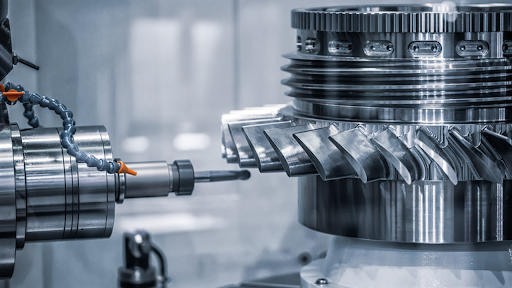
Machining strategies vary from one component geometry to another. CNC Milling is a subtractive process that utilizes rotating cutting tools to remove material from the workpiece, and it is ideal for complex surface parts like housings, brackets, and fixtures. Turning creates cylindrical parts like shafts, bushings, pins, and spacers. The multi-axis equipment can reach multiple faces with fewer repositioning steps.
EDM is used to cut conductive materials with electrical discharges and precision grinding for more specialized requirements. CNC routing is suitable for materials like wood, foam, and some composites. The choice of the process is important to ensure CNC component manufacturing, with a balance of geometry, accuracy, production volume, and cost. 3ERP’s extensive collection of over 60 CNC machines and various machining capabilities enable them to handle projects of all sizes, from single prototypes to larger production orders.
- Selecting Materials That Match Functional Requirements
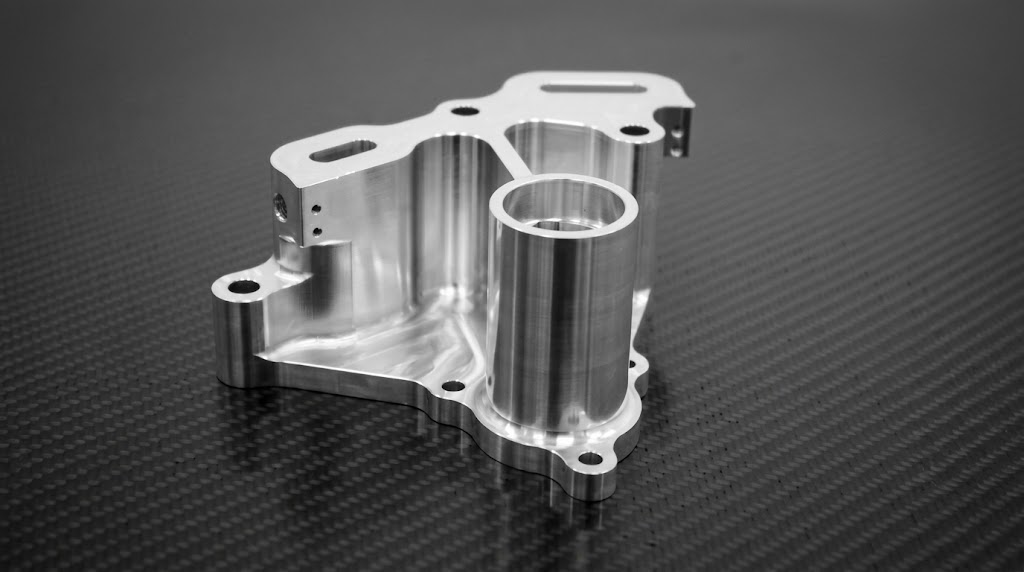
The type of material used will influence its strength, weight, ease of machineability, corrosion resistance, thermal properties, and cost of manufacturing. Aluminium alloys are commonly used in lightweight housings and structural elements due to their beneficial properties of strength and good machinability. Stainless steel is corrosion resistant, and titanium alloys offer a high strength-to-weight ratio for extreme applications.
When electrical insulation, low friction, chemical resistance, or reduction of component weight is important, engineering plastics offer alternatives. POM is suitable for various precision mechanical components, and PEEK can be used in applications with higher thermal and chemical resistance. The decision should be based on material availability, operating conditions, and finishing requirements, and not just on price. Over 100 metals and plastics are available to meet manufacturing requirements for specific engineering needs.
- Managing Production From Prototype to Larger Orders
Switching from a digital model to a physical prototype enables engineers to visualize fit, assembly, size, and functional performance. CNC machining can be used for one-off prototypes, which is helpful in the early stages of the development process and the design validation phase before injection moulding is used. After the design has been agreed, the same general manufacturing process can cater for small quantities and larger production needs.
- File submission: Provide STEP, IGES, or STL models alongside drawings, tolerances, and material requirements.
- Engineering review: Evaluate manufacturability, tooling access, dimensional constraints, and potential design improvements.
- Machining and inspection: Produce components according to approved specifications and verify critical dimensions.
- Finishing and delivery: Apply required surface treatments, complete final checks, and arrange appropriate shipping.
This staged approach helps maintain consistency as quantities increase. Production planning still depends on component complexity, material availability, inspection requirements, and order size.
- Quality Assurance and Dimensional Verification
Measurable controls during the manufacturing process are needed for precision manufacturing and not just based on the appearance of the finished component. An ISO 9001:2015 certified quality management system is a structured system to manage processes, documentation, and continuous improvement. Part acceptance shall, however, be on the basis of individual drawings and specifications.
Coordinate measuring machines and precision measurement instruments are used for inspection to ensure dimensions and geometric requirements. Material analysis can also be of assistance in verification if the material is an issue. At 3ERP, checks are documented, and inspection reports are available, which helps to establish traceability throughout manufacturing stages. Depending on the geometry, material, equipment, and inspection requirements, tolerances of up to ±0.01 mm can be achieved for appropriate parts and features.
- Surface Finishing and Delivery Considerations
Machining develops the key geometry of the part and finishing further surface properties. Aluminium can be anodised to make it more resistant to corrosion or powder coated to give it a durable colour. Nickel plating, polishing, bead blasting and passivation are all processes that are used for different reasons depending on the material and use.
Finishing specifications should be determined prior to production since some treatments may impact dimensions or need masking of critical surfaces. Delivery planning is also important when there are Development Milestones that components need to adhere to. Lead time for simple parts is as short as 3 days, but more complicated projects take longer. There are speed and cost differences between express, air, and sea shipping.
- Conclusion
The transition from a STEP file to a completed component is a series of decisions involving design, machining processes, materials, quality assurance, and surface finishes, all of which must be coordinated. Every stage affects whether the final part can be produced within the desired specifications, performance characteristics, and time frame. This process is easier to manage with clear specifications and early engineering review.
3ERP is a rapid manufacturing firm based in China, certified to ISO 9001:2015. It has been serving customers around the world since 2010, with CNC machining being one of the services offered for prototype and production parts. Your digital designs can be accurately manufactured into parts for product development, functional testing, and production requirements with the proper technical preparation and structured workflow.
Read more: https://grammervision.com/seasonal-dtf-merchandise-planning/