Not every construction venture requires specialized consultation before the primary estimate is drawn up. A sincere residential build with a simple rectangular footprint and well-known framing hardly ever requires anything beyond a habitual takeoff and estimate. Complex initiatives, however, tell an exceptional story. When rooflines emerge as abnormal, when combined elements are concerned, or when a project pushes into business or commercial territory, the margin for error shrinks dramatically, and the value of professional expertise grows just as fast.
Recognizing When a Project Crosses Into Complex Territory
Not all construction projects are created the same, and spotting when a project has moved beyond ordinary estimating is step one toward keeping off big, priced mistakes. Projects with uncommon roof geometry, cathedral ceilings, multiple roof pitches, or significant custom millwork generally fall into this category. Mixed-use buildings that integrate residential and industrial elements, or structures with unconventional load paths, additionally call for a more careful, consultative technique in preference to a standard, template-pushed estimate.
The caution signs are regularly visible early if a project team is aware of what to look for. Architectural drawings with dense notation, more than one revision round, or structural engineering callouts are robust signs that lumber quantities and specifications would require more than a short pass through a takeoff spreadsheet. In these situations, the entry of a skilled Lumber Estimator becomes especially valuable, considering that interpreting layout causes and catching inconsistencies before pricing is finalized calls for more than fundamental counting abilities. Recognizing those alerts early allows contractors to bring in the proper degree of knowledge before commitments are made, instead of after issues surface mid-construction.
How Complexity Increases the Risk of Estimating Errors
Complexity does not just make estimating tougher; it multiplies the effects of getting it wrong. On an easy mission, a small miscount may mean ordering a few extra studs. On a complex project with custom trusses, non-standard spacing, or distinctive framing information, the same type of blunders can cascade into widespread fabric shortages, scheduling delays, or costly change orders as soon as construction is already underway.
This hazard grows even more when a couple of trades and material kinds intersect within a single structural device. A roof that combines standard rafters with engineered trusses, for instance, calls for careful coordination to make sure portions, spacing, and load requirements all align effectively. Without experienced oversight, those intersections are precisely where estimating mistakes generally tend to occur, frequently going ignored until framing crews are already on site.
The Value of Bringing In Outside Expertise
For contractors managing a developing pipeline of complicated projects, building a completely in-house estimating branch is not always sensible or cost-effective. Highly complicated builds can also simply constitute a fragment of a contractor’s common workload, making it tough to justify the overhead of full-time specialised personnel. This is exactly the state of affairs where many firms select to Outsource Construction Estimator help rather than absorbing the cost and risk of hiring permanently.
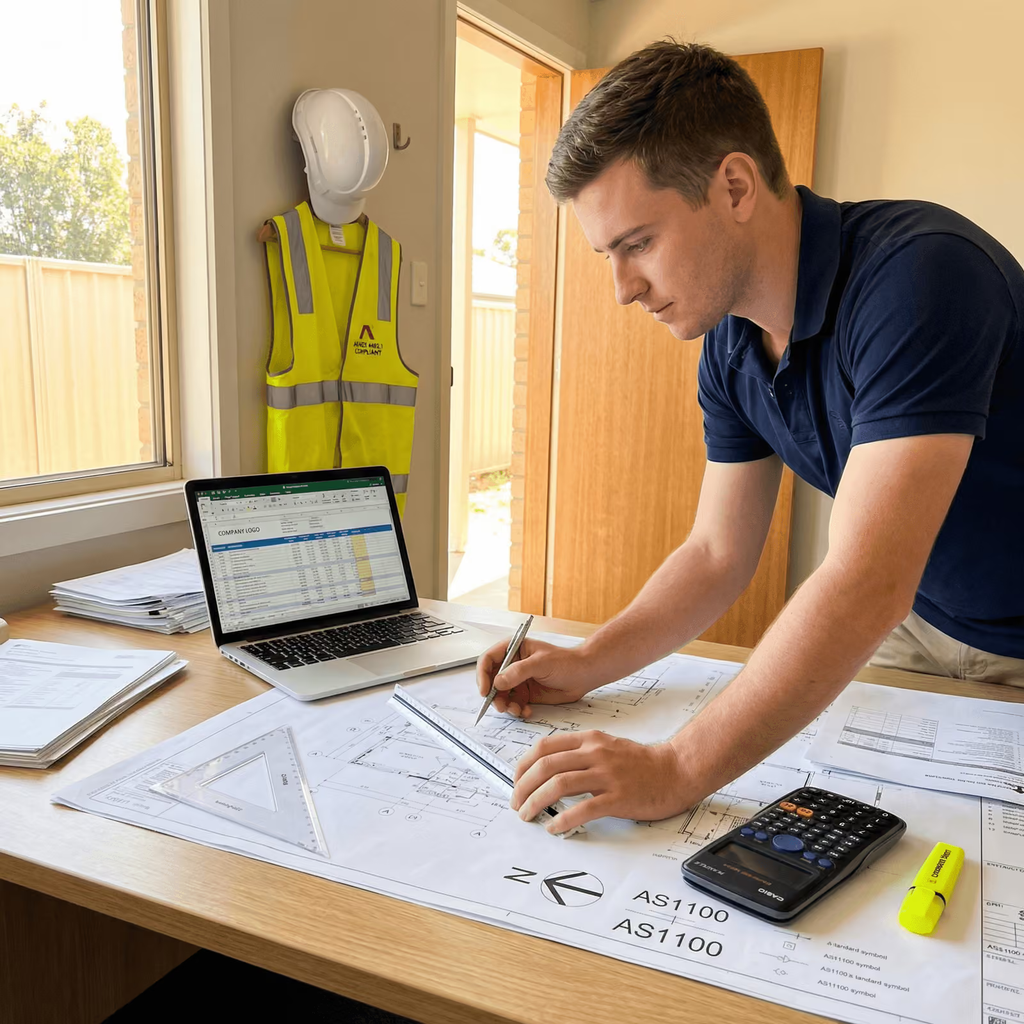
This technique gives contractors access to specialized, task-specific expertise precisely when it’s needed, without the long-term financial commitment of expanding internal headcount. Experienced out-of-doors estimators convey expertise to a much wider variety of complex challenge types, frequently having encountered comparable structural challenges on preceding jobs. That accrued revel in interprets at once into faster identification of potential troubles and more dependable, defensible pricing for the contractor’s purchaser or investor.
Balancing Cost Control With Estimating Accuracy on Complex Builds
Complex projects regularly convey tighter margins, not looser ones, in view that tricky designs typically involve higher material expenses, specialised labor, and a greater variety of variables that can affect the final rate.
Here are the important points from that passage:
- Complex initiatives have tighter margins, not looser ones — problematic designs deliver higher material expenses, specialised hard work needs, and greater variables affecting final pricing.
- Estimating accuracy will become extra vital on complicated builds — due to the fact margins are already thin, even small estimating errors can substantially erode profitability.
- Balancing price management with accuracy takes judgment, not simply careful counting — it’s an ability, no longer only a mechanical process.
- Experienced estimators recognize when to regulate waste factors upward due to design complexity.
- They additionally know when substituting substances/specs can cut fees without sacrificing structural integrity.
- They can count on where a design detail may cause confusion or mistakes throughout actual construction.
- This nuanced information is difficult to copy with well-known estimating templates — regardless of how particular those templates seem on paper.

This is specially genuine in dense, quite regulated city environments. A contractor managing a complex mixed-use build in a primary metropolitan region, for example, regularly benefits from working with carriers that Construction Estimating Services NYC groups understand deeply, considering that local knowledge extends beyond pricing to include familiarity with borough-specific permitting timelines, inspection requirements, and provider logistics that immediately affect how a project’s cost plan comes together.
What to Look for When Choosing a Lumber Consultation Partner
Not every estimating issuer is equipped to deal with the demands of a truly complicated project. Contractors must search for a firm that includes similarly complicated builds, not simply high-volume, trendy tasks. Experience with irregular framing, blended structural systems, and code-compliant engineered lumber solutions is a robust indicator that a provider can manage complexity without cutting corners on accuracy.
Communication style matters just as much as technical skill. Complex tasks almost continually involve questions, clarifications, and layout ambiguities that want to be resolved collaboratively. A consultation partner who responds quickly, explains their reasoning clearly, and remains engaged throughout the estimating process adds large fee past the numbers on my own, particularly when surprising design challenges arise halfway through the timeline.
Final Thoughts
Lumber consultation earns its value precisely in the moments when habitual estimating starts to fall short, whilst rooflines develop complexity, while fabric structures intersect, and while the monetary stakes of having portions incorrect become too excessive to leave to chance. Recognizing when an assignment has crossed into this territory, and responding with the right level of knowledge, protects both budgets and timelines in approaches that general estimating virtually can’t handle. As construction projects keep growing in architectural ambition and structural complexity, the contractors who recognize when to search for specialized services will constantly outperform folks who treat each task, simple or complex, in the same manner.
Frequently Asked Questions
How do I recognise if my undertaking needs specialised timber framing?
Projects with abnormal rooflines, mixed structural systems, extensive custom framing, or dense architectural notation commonly benefit from a specialised session as opposed to a standard estimating technique.
What makes complex tasks riskier for estimating mistakes?
Complex builds often involve intersecting material systems and non-standard specs, which will increase the chance that a small miscalculation will cascade into massive shortages or high-priced change orders.
Is it extra fee-effective to outsource estimating for complex initiatives?
For many contractors, outsourcing gives access to specialized expertise exactly when wanted, fending off the overhead of retaining a full-time in-house crew for initiatives that simply constitute a part of their usual workload.
Why does local understanding matter for complicated production estimates?
Local permitting necessities, supplier logistics, and code interpretations vary by area, and experts familiar with these factors can produce estimates that mirror actual world undertaking conditions, no longer just theoretical portions.
What must contractors prioritize while deciding on an estimating consultant for a complicated build?
Contractors should prioritize verified experience with similar complicated projects and clear, responsive communication, due to the fact that each technical ability and collaboration are critical when navigating design ambiguities.
Also Read
- DPWM Meaning in Texting: What Does DPWM Mean in Text?
- SN Meaning in Texting: What Does “SN” Mean in a Text?
- Financial Clarity Requires Emotional Honesty